

Best Sellers
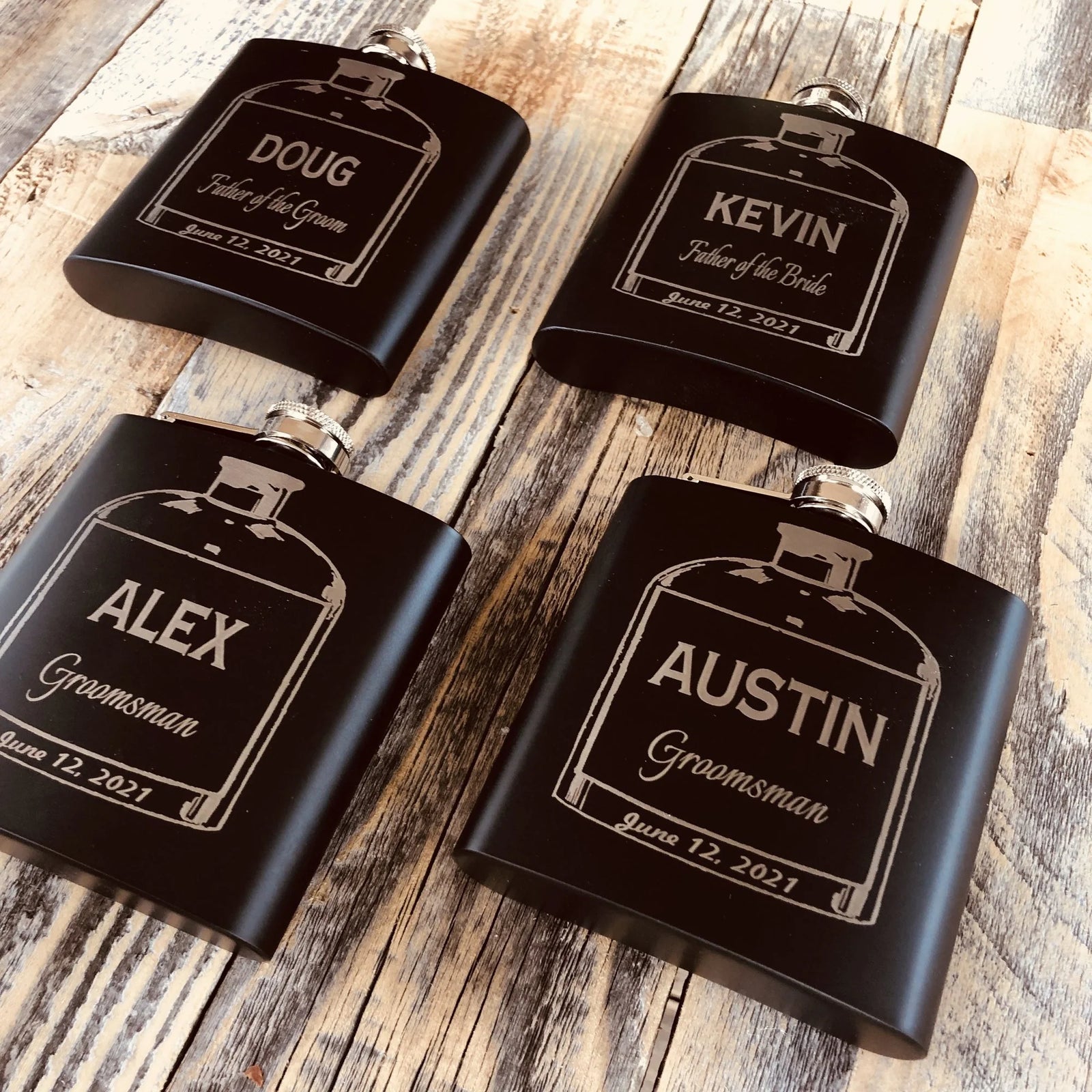
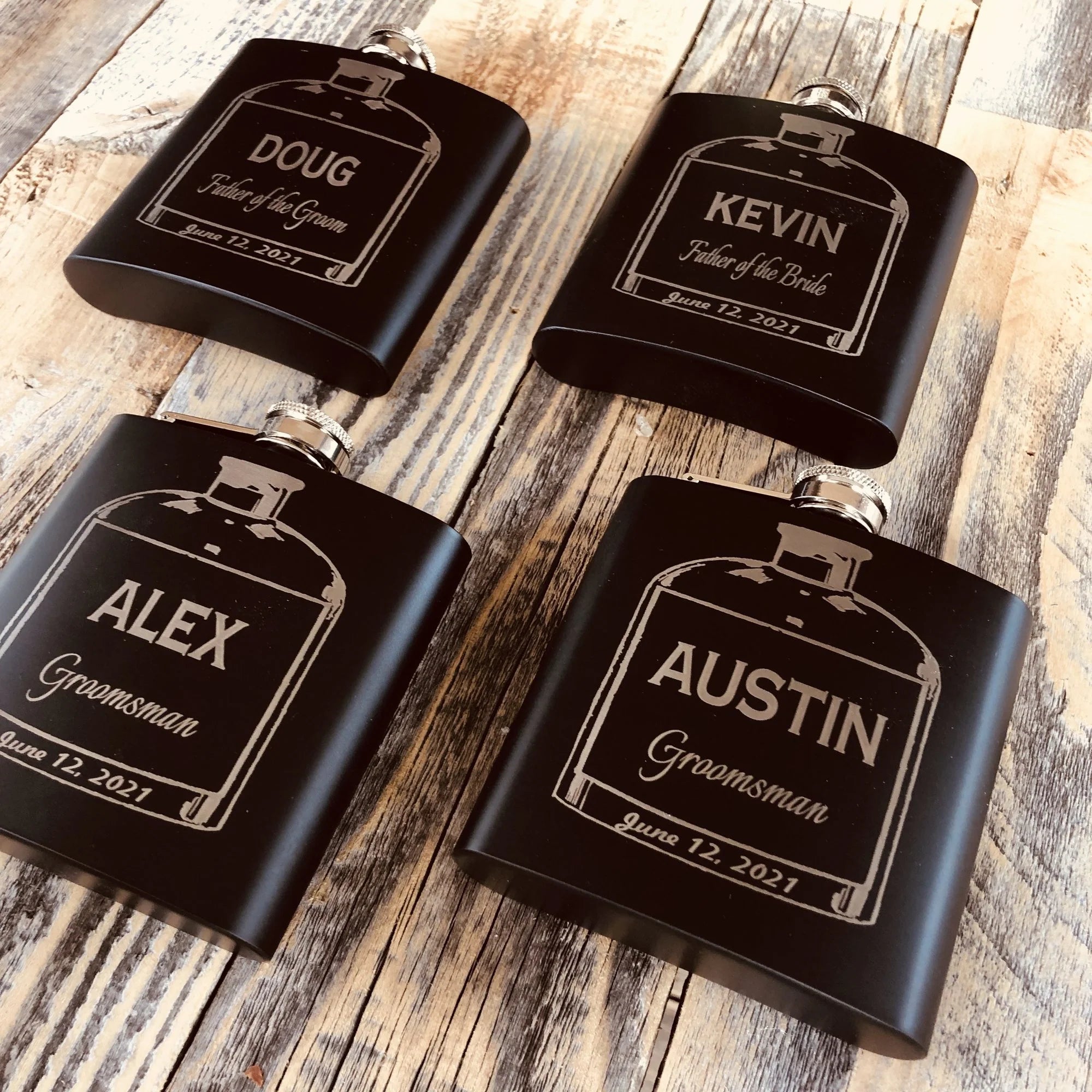

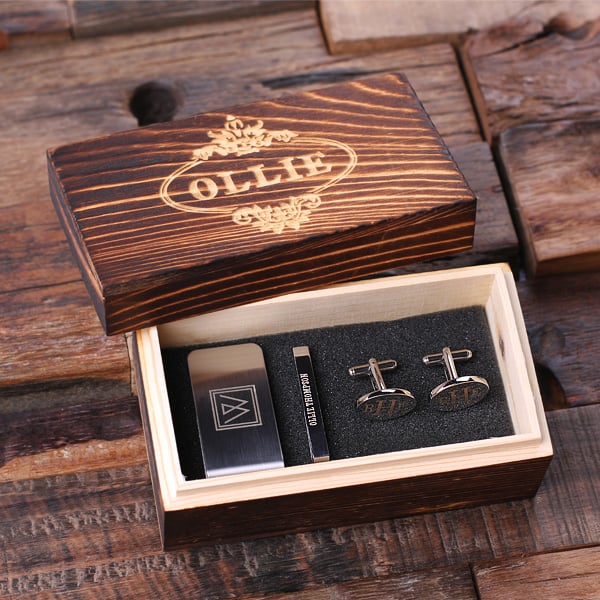
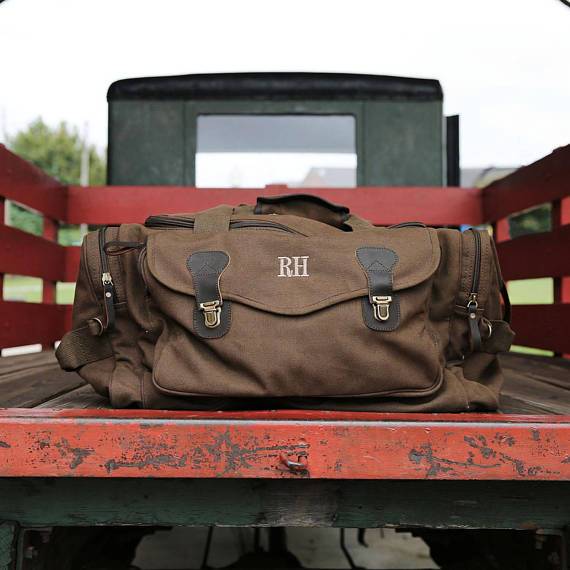







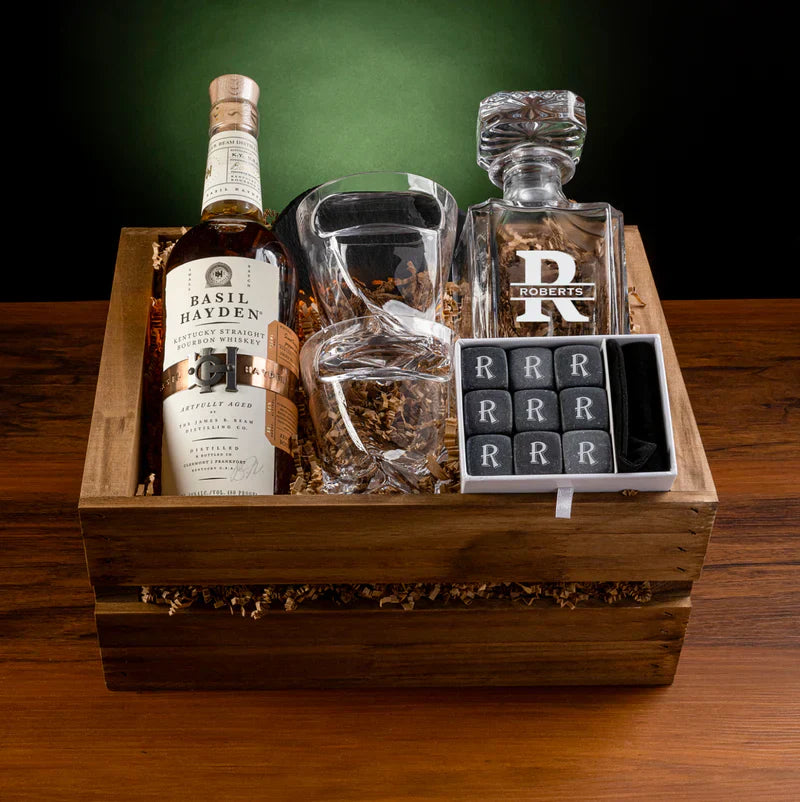
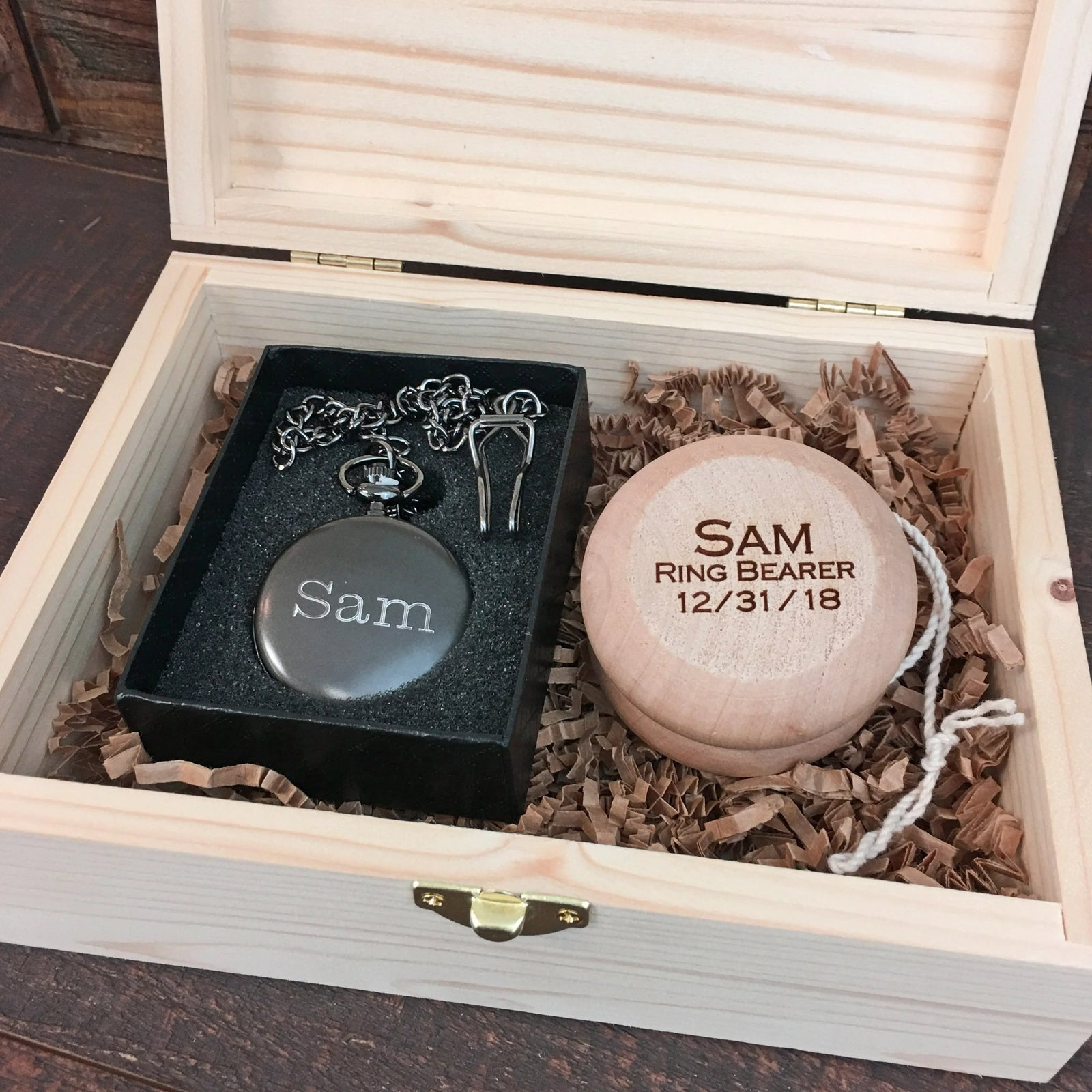
Day Of Accessories




Gift Type





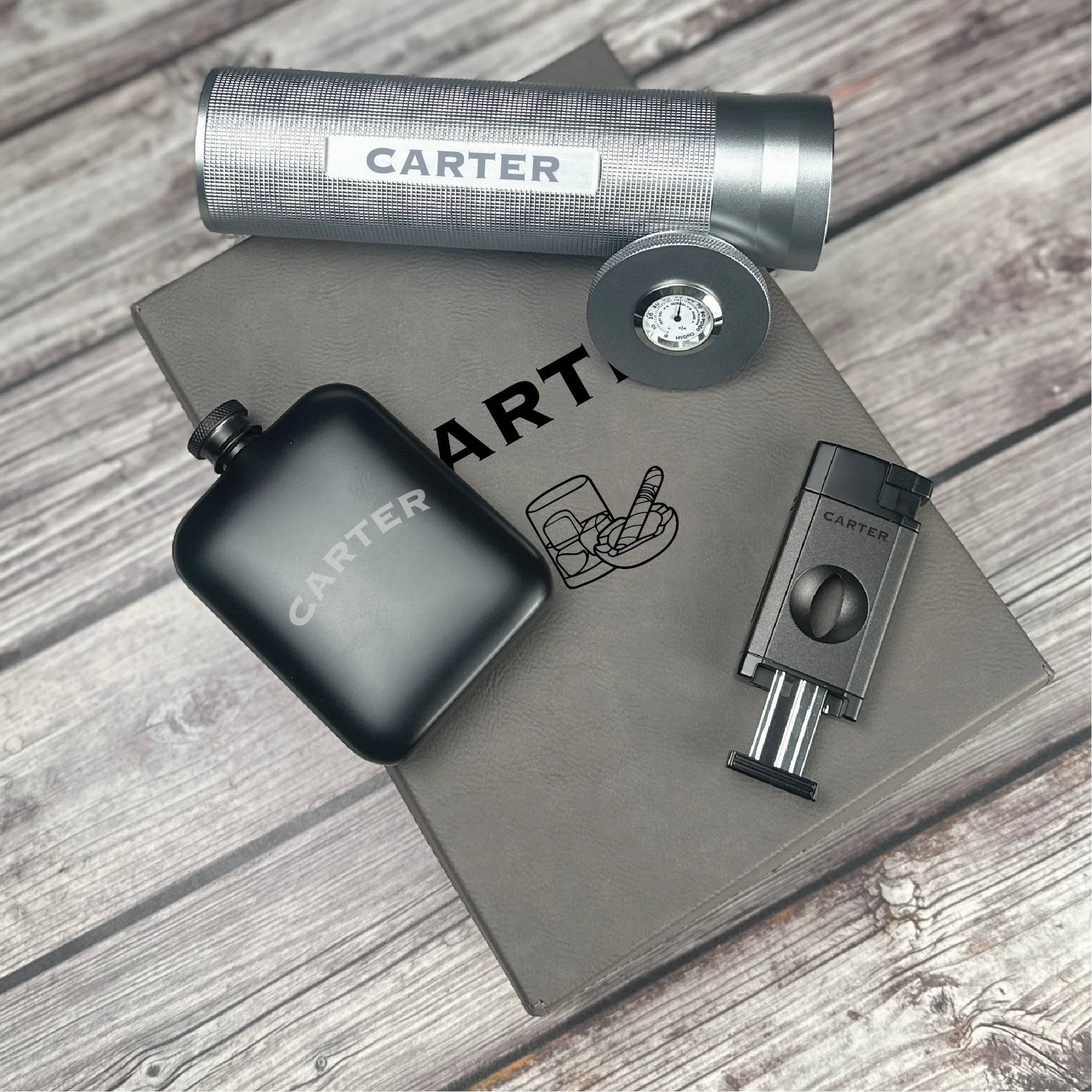


Bachelor Party








What Does an Usher Do at a Wedding? The Complete Job, Start to Finish

Somebody asked you to be an usher and you probably said yes before working out what it involves. The short version is that you are the first person every guest meets, you run the room for about an hour, and then you are done and free to enjoy the rest of the day like everyone else.
This is the whole job. What you do, the words to say, what to wear, and the handful of situations that catch first-time ushers out. If you are the one doing the asking rather than the one who got asked, skip to the last two sections.
Start here
What does an usher do at a wedding?
An usher greets guests as they arrive, hands out programs, walks them to a seat and keeps the front rows clear for immediate family. Nearly all of the work happens in the hour before the ceremony starts. Once the processional begins you stand at the back, quietly seat anyone who turns up late, and when it ends you release the rows front to back and point people toward the reception. That is the entire job.
The usher’s day
Start to finish, in the order it happens
90 min before
Arrive already dressed
Before a single guest does. Get your boutonniere on, find the programs, and walk the room once so you know where the exits, the restrooms and the accessible seats are.
60 min before
Doors open
Most ceremonies open the room an hour ahead. Stand at the entrance, not partway down the aisle. Guests should meet you before they have to guess where to go.
45 to 15 min before
The busy stretch
This is where the great majority of guests arrive, and it is the only genuinely demanding part of the day. Greet, program, walk them in, come straight back.
15 min before
Immediate family
Grandparents first, then siblings and anyone else the couple named. These are the reserved rows you have been protecting for the last hour.
5 min before
The mothers, last
The groom’s mother, then the bride’s mother. Nobody is seated in the main rows after the bride’s mother sits down. That is the signal the ceremony is starting.
During the ceremony
Back of the aisle
Stay standing at the back. Anyone arriving late waits with you until a natural pause, then goes into the back row from a side aisle, never the center one.
After
Release front to back
Front row out first, then the second, and so on. It keeps the aisle clear for family photos. Then you are on reception directions and you are finished.
What an usher actually does
Written out as a list it looks like more than it is. In practice it is five things, repeated, for about an hour.
01 Greet every single person
You are the first face of the wedding. A guest who is greeted well arrives at their seat in a good mood, and a guest who wanders in unnoticed spends five minutes feeling like they are in the wrong building. It costs nothing and it is most of the value you add all day.
02 Hand out the programs
If there are programs, you are the one giving them out. One per person, or one per couple if they are short. If there are none, say so rather than letting people hunt.
03 Walk people to a seat
Walk them, do not point. Pointing at a section is the difference between being ushered and being directed. It takes fifteen extra seconds and it is the part of the job people actually notice.
04 Protect the reserved rows
The front rows are held for immediate family and they stay empty until you fill them, however awkward that looks while the room fills up behind them. A guest sitting in the grandmother’s seat is a problem that is easy to prevent and unpleasant to fix.
05 Keep the two sides even
Once about twenty guests are in, start steering people toward the emptier side. A lopsided room turns up in every wide photograph and nobody minds where they sit as much as you think they do.
The one thing nobody tells first-time ushers
Ask the couple, a week out, whether there is anything unusual about the seating. Divorced parents, a family member who needs an aisle seat, a section held for a group arriving together. Ten minutes of that conversation removes almost every awkward moment on the day.
What to actually say when you seat someone
The whole job runs on about six sentences. Having them ready is the difference between looking like you have done this before and looking like you are working it out in real time.

Opening line
“Good morning, are you with the bride or the groom?”
Friendly, not an interrogation. Most people answer instantly and you are done thinking.
When they hesitate or say both
“Then let me put you wherever there is the most room.”
Half of guests at a modern wedding have no strong side. Giving them permission not to choose is a small kindness.
Offering to walk them
“May I walk you down?”
Traditionally you offer your right arm to a woman guest and her partner follows just behind. Offer, and read the answer. Plenty of people would rather walk themselves.
Seating a group
“Follow me, I have got room for all four of you.”
Walk the group as one. Splitting a party across two rows is the mistake that generates the most quiet grumbling.
Handing them off
“Right here is yours. Enjoy the ceremony.”
Say something as you leave. Walking away in silence makes the whole thing feel like a transaction.
Somebody in a reserved row
“These two rows are held for family, but I have got you a much better spot over here.”
Redirect and offer in the same breath. Never explain the rule and leave them standing there.
The five situations that catch ushers out
Everything above is the easy part. These are the moments where a first-time usher freezes, and all five have a right answer you can decide on now instead of at the door.
01 Divorced parents
Do not improvise this one. Ask the couple in advance exactly who sits in which row, write it down, and follow it. The usual arrangement puts the parent who raised the couple in the front row and the other parent a couple of rows back, but families vary enormously and guessing is how you ruin somebody’s morning.
02 Someone sitting in a reserved row
Move them early, warmly, and with somewhere better to offer. The longer a guest has been sitting comfortably, the worse it feels to be asked to move, so scan the front rows every few minutes rather than letting it build.
03 A guest arriving during the processional
They wait at the back with you. Once the bride has reached the front and everyone is looking that way, walk them into the back row from a side aisle. Nobody crosses the center aisle once the processional has started.
04 A guest who needs an accessible seat
Find out where those seats are before the doors open, not while somebody is waiting on you. You want an end-of-row spot with a clear path to an exit and no pillar in the way. If a wheelchair space exists, know which one it is.
05 The two sides are wildly uneven
It happens at almost every wedding, usually because one family travelled further. Start filling the emptier side once the room is a third full, and say something easy like “let me even us out over here.” Guests almost never object.

The questions that come up right after you say yes
01 Can a woman be an usher?
Yes, and it is increasingly common. The job has nothing to do with gender, it is greeting people and knowing the room. The old word usherette is quietly falling out of use because there is no reason for a separate one. If the wedding party is mixed, the only thing worth agreeing early is what she is wearing, since “match the groomsmen” needs an actual answer in that case.
02 Do ushers go to the rehearsal?
Usually yes, and it is worth going even if you are told it is optional. Twenty minutes in the actual room is how you learn where the reserved rows start, which door the family comes through and where the accessible seats are. That is the whole reason the rehearsal exists for you.
03 Does the job continue at the reception?
Almost never. Once the ceremony ends and you have released the rows, you are a guest. Some couples ask ushers to help point people toward cocktails or hand out escort cards, which takes five minutes. If nobody has asked you to do anything, nobody is expecting you to.
Usher or groomsman? What is actually different
This is the most searched question about the role and most answers are vague, so here it is plainly. A groomsman stands up front as part of the wedding party. An usher runs the room. Plenty of weddings have people who do both.
| Usher | Groomsman | |
|---|---|---|
| Stands at the altar during the ceremony | UsherNo, you are at the back | GroomsmanYes |
| Walks in the processional | UsherSometimes, early and briefly | GroomsmanYes |
| Seats the guests | UsherYes, this is the job | GroomsmanHelps if there are no ushers |
| In the formal wedding party photos | UsherUsually one group shot | GroomsmanIn most of them |
| Attends the rehearsal | UsherOften, briefly | GroomsmanYes |
| Typically asked of | UsherCousins, younger brothers, work friends | GroomsmanClosest friends and brothers |
| Typical gift | UsherUsually the same gift as the groomsmen | GroomsmanHalf land between $25 and $65 |
The lines blur constantly, and that is fine. At a smaller wedding there are often no separate ushers at all and the groomsmen handle the door themselves. If you are a groomsman and want the full version of that role, we wrote it up in the groomsmen duties guide.
How many ushers do you need?
The working rule is one usher for every 50 guests, with a minimum of two. A 100 person wedding wants two, 150 wants three, 250 wants five. That lines up with what couples buy from us: the median usher gift order covers two ushers. It is a rule of thumb rather than a law, and two things should push the number up.
- More than one entrance. A venue with two doors, a balcony or an upstairs section needs someone at each, no matter how small the guest list is.
- A tight arrival window. If the invitation gives a single time and the venue is easy to park at, almost everyone shows up inside the same twenty minutes and two people cannot keep up.
- An outdoor ceremony. No fixed pews means more explaining, more chairs to shuffle, and someone watching the aisle end so it stays clear.
It is easier to have one too many than one too few
An extra usher costs a gift. Being short one means guests standing in a doorway while the ceremony start time comes and goes, and that is the version people remember.
What does an usher wear?
The default is that you match the groomsmen, one notch down. Same suit color, often without the identical tie or pocket square. But do not assume. Ask the groom one question and it settles everything: am I in the same suit as the groomsmen, or in my own?

If you are in your own suit, go dark and plain. Navy or charcoal, white or pale blue shirt, a conservative tie. Never lighter than the groom, never louder than the wedding party, and never black tie unless somebody told you it is black tie.
Wear the boutonniere. Ushers almost always get one, usually simpler than the groomsmen’s. It is not decoration, it is a name badge. It is how a guest walking in knows which man in a dark suit to ask. Left lapel, stem down, through the buttonhole if the jacket has a working one.
Polish the shoes. You are standing on a hard floor for an hour and you are in the background of every arrival photograph a guest takes. It is the one detail that separates looking smart from looking borrowed.
What not to wear, in order of how often it goes wrong
Anything white or ivory. A suit lighter than the groom’s. A tie that competes with the wedding party. Sunglasses parked on your head. Shoes you have not looked at since the last wedding. A phone in your jacket pocket, which ruins the line of the suit in every photograph you end up in.
If you are the one doing the asking
Two things get asked about here constantly, so here is the honest version of both.
How to ask. Ask in person, or on a call, before anything arrives in the post. Ushering is a real job on the day and people deserve to hear what it involves before they say yes. Tell them the arrival time, what they will be wearing, and roughly how long they are working. A box turning up with no conversation attached puts someone on the spot.
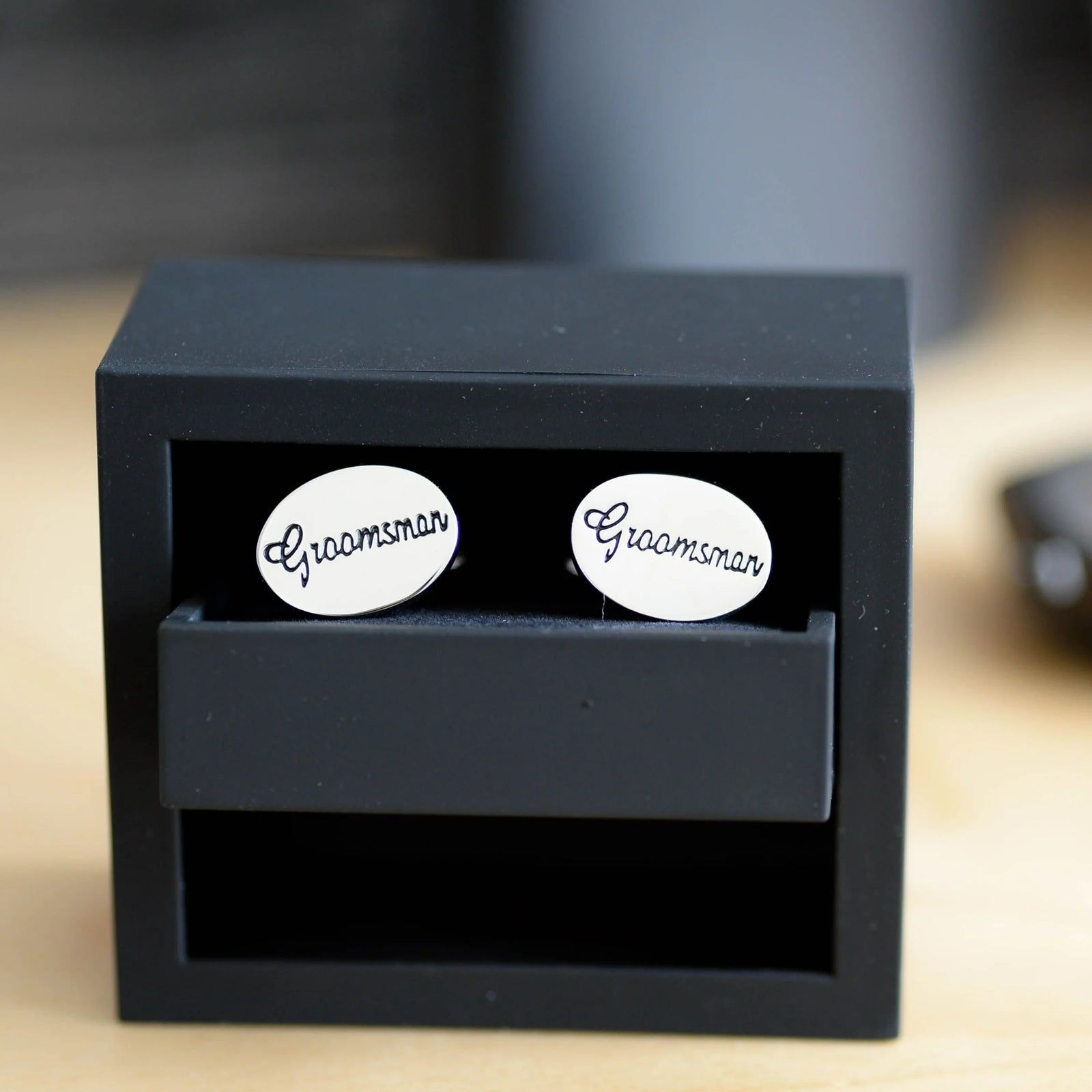
What to give. Etiquette guides say an usher gift should sit a tier below a groomsman gift, but that is not what most couples do. When couples order usher gifts together with the groomsmen gifts, 9 in 10 give the ushers the same gift at the same price. The typical groomsmen gift runs about $40, and half land between $25 and $65. The gifts that land are the ones an usher can wear on the day itself or keep afterward, which is why cufflinks, a flask set or a small grooming kit outperform anything novelty.
From our order data
What couples actually give ushers
90%gave ushers a gift at the same price as the groomsmen
96%gave ushers at least one of the same gifts
2median number of ushers per order
$39.99typical price of one groomsmen gift
The etiquette rule and real life have drifted apart. Among couples who buy usher gifts with us, most treat ushers as part of the crew and thank them the same way. If you have a large usher team and need to scale down, a personalized piece in the $25 to $35 range still reads as considered.
Source: Groovy Groomsmen orders from January 2021 to September 2026. Usher price figures come from 412 orders that included both usher and groomsman gifts. The median of two ushers comes from 552 orders that included usher gifts. The $39.99 figure comes from 37,684 orders for three or more of the same personalized gift. Prices are list prices before discounts.
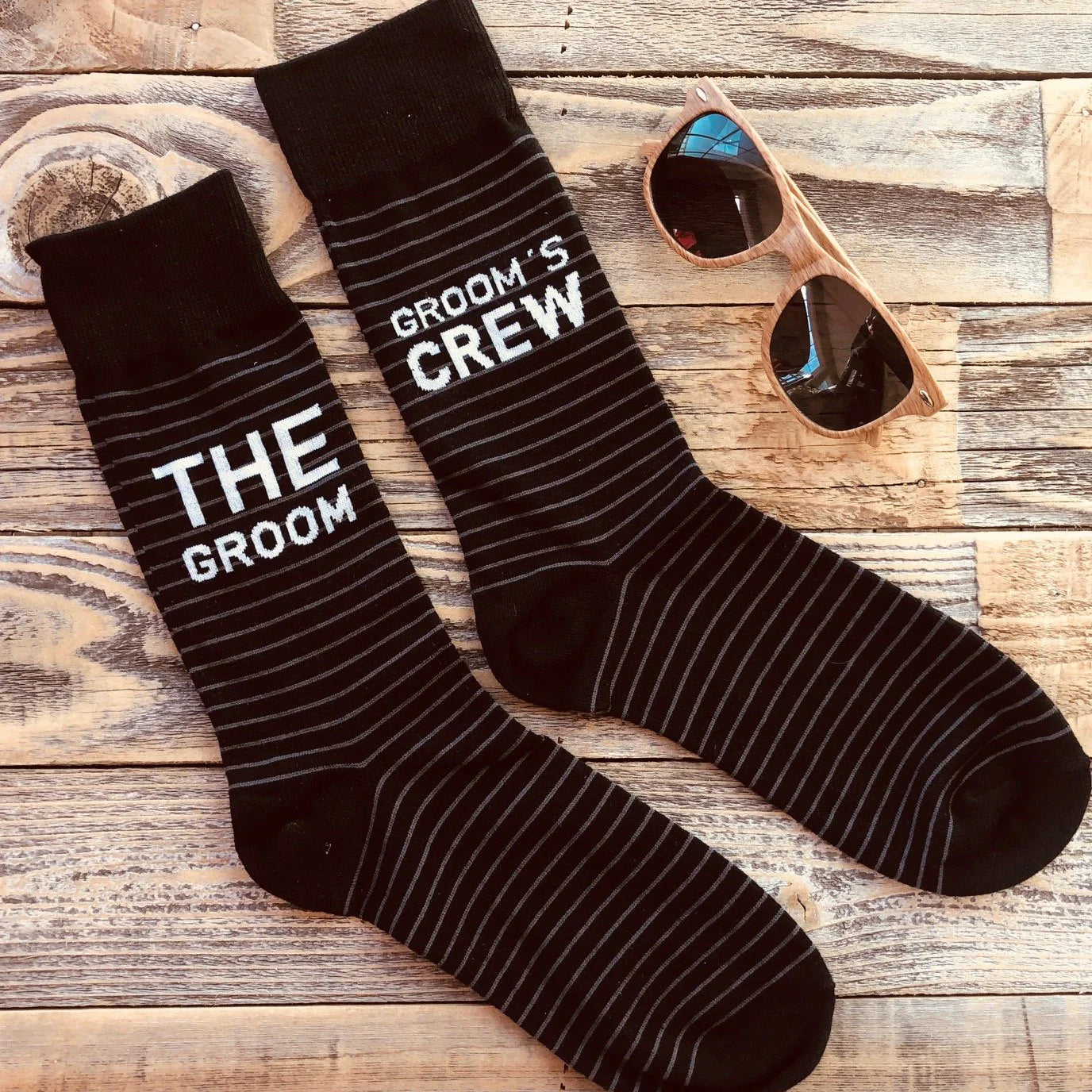
These three sit right in that band and each one covers a different moment of the day. Everything else we make for the role is in our usher gifts collection.


All three are personalized, and what fits varies by item, so check the product page before you order.
Thanking the guys who worked the door
Personalized gifts built for the usher tier, from cufflinks and flasks to small engraved sets.
Browse usher giftsCommon questions
What does an usher do at a wedding?
An usher greets guests as they arrive, hands out programs, walks them to their seats and keeps the reserved front rows clear for immediate family. The work is concentrated in the hour before the ceremony. During the ceremony you stand at the back and quietly seat latecomers, and afterward you release the rows front to back and direct people to the reception.
Is an usher the same as a groomsman?
No. A groomsman stands at the front as part of the wedding party. An usher runs the room, which means the door, the programs and the seating. A groomsman can also usher, and at smaller weddings that is usually what happens, but the two roles are different jobs on the day.
How many ushers do you need for a wedding?
One usher for every 50 guests, with a minimum of two, is the working rule. Add one if the venue has more than one entrance, if the ceremony is outdoors, or if guests are likely to arrive in a single tight window.
What does an usher wear at a wedding?
Usually the same suit as the groomsmen, often without the identical tie or pocket square. If you are wearing your own, go dark and plain: navy or charcoal, a white or pale blue shirt and a conservative tie. Never lighter than the groom and never black tie unless you have been told it is.
Do ushers wear boutonnieres?
Almost always, usually a simpler one than the groomsmen wear. It is there so arriving guests can identify who to ask. Pin it to the left lapel, stem down, through the buttonhole if the jacket has a working one.
Do ushers stand at the altar during the ceremony?
No. Once the last guest is seated an usher stands at the back of the aisle for the ceremony, ready to seat anyone arriving late. Standing at the front is the groomsmen’s job.
How much should you spend on an usher gift?
Couples who buy usher gifts with us usually spend the same as they do on each groomsman. In our orders that included both, 90% gave ushers a gift at the same price. The typical groomsmen gift runs about $40, and half land between $25 and $65. Something he can wear on the day or keep afterward beats anything novelty.
When do ushers arrive at the wedding?
About 90 minutes before the ceremony, already dressed. That gives you time to get the boutonniere on, find the programs and walk the room before the doors open an hour ahead.
 Co-Founder
About the Author
Chris Bajda
Co-Founder, Groovy Groomsmen Gifts · Monroe, Connecticut
200,000+ gifts17,000+ reviews15+ years
Chris Bajda is a co-founder of the family-run Groovy gift studios in Monroe, Connecticut, behind more than 200,000 personalized gifts and over 17,000 customer reviews. For more than 15 years he has helped grooms and groomsmen find gifts worth keeping, and he still tracks what real customers order and love so his picks come from data, not guesswork. He is a regular at the NY NOW gift show in New York City.

Wedding Gift Etiquette Between the Bride and Groom: Do You Even Have To?
Whether the bride and groom are supposed to exchange gifts at all, what people actually spend, the four windows for...
Read more ›
17 Wedding Keepsake Boxes to Treasure Your Special Day Forever
Preserve your most cherished memories with wedding keepsake boxes. Discover beautiful ways to store vows, photos, and mementos from your...
Read more ›
Best Man Gift Etiquette: Dos, Don'ts, and What to Spend (2026)
Best man gift etiquette made simple. Whether a gift is expected, how much to spend, when to give it, and...
Read more ›